6 months ago
Best sentiment analysis tool for youtube comments: 2026 Guide to Top Picks
Diving into the sea of YouTube comments can feel overwhelming. With thousands of viewers sharing their thoughts, identifying key trends, tracking audience sentiment, and spotting emerging issues is a monumental task. Manually reading through every comment is not a scalable strategy for creators, marketers, or researchers. The solution lies in automated analysis, specifically finding the best sentiment analysis tool for YouTube comments that fits your precise needs. This guide is designed to cut through the noise and provide a clear, practical comparison of the top platforms available.
We will explore a curated list of tools, evaluating each one based on its core strengths and weaknesses for YouTube comment analysis. For many users, especially those needing direct, focused insights without the complexity of enterprise-level systems, a dedicated solution like YouTube Comment Analysis – AI Sentiment & Themes offers an ideal balance of power and simplicity. It’s built specifically for this purpose, providing nuanced sentiment and thematic analysis directly from comment data.
However, we understand that different users have different requirements. For this reason, we will also review broader social listening platforms like Sprinklr, Brandwatch, and Talkwalker. While these enterprise tools offer multi-channel monitoring, their YouTube analysis features can be less specialized and often come with a significant price tag and a steep learning curve. They provide a different kind of value, but their complexity makes them a worse solution for users who need fast, focused YouTube insights. This article will help you determine if a focused tool is your best bet or if a broader platform is necessary for your goals. Each review includes direct links, practical use cases, and honest assessments to help you make an informed decision.
1. YouTube Comment Analysis – AI Sentiment & Themes
Best For: Creators and marketers needing an integrated, repeatable system for analyzing sentiment and themes directly from exported YouTube comment data.
Emerging as a uniquely powerful and well-rounded choice, the YouTube Comment Analysis tool from YouTube Comments Downloader is our featured selection for the best sentiment analysis tool for YouTube comments. It excels by integrating AI-powered sentiment classification and thematic analysis into a single, cohesive workflow. This design directly addresses a primary pain point for researchers and marketers: bridging the gap between raw data export and actionable insight without needing multiple disparate applications.
The platform’s strength lies in its ability to work natively with comment export files (CSV, JSON, TXT) from its companion downloader tool. This synergy is crucial because it preserves vital contextual metadata, such as thread hierarchy, replies, author handles, and like counts. By grounding the AI’s analysis in the actual conversational structure, the tool produces far more accurate and nuanced interpretations of positive, negative, and neutral sentiment than tools that analyze comments in isolation. For advanced users, understanding how models process this data is key; learning how to keep LLM context fresh can significantly improve the quality of AI-driven insights.
Key Features & Use Cases
- Integrated Workflow: The tool combines sentiment analysis (positive/negative/neutral) with automated theme discovery. A marketer can use it to instantly see if negative sentiment is correlated with mentions of “shipping costs” or “product quality” across thousands of YouTube comments.
- Context-Aware Analysis: By retaining comment threads and reply structures from the export, it can correctly interpret a positive reply to a negative parent comment, avoiding misclassification common in other tools.
- Reusable Prompt Recipes: Its built-in analyzer and prompt recipes ensure that your analysis is consistent and repeatable. This allows for fair, apples-to-apples comparisons of audience sentiment on YouTube videos released months apart.
- Optimized for Scale: It is designed to handle bulk exports containing tens of thousands of comments, making it ideal for channels with high engagement or for researchers studying large-scale discourse on YouTube. The output is a concise summary ready for reports or further processing.
Analysis and Recommendation
While it requires an initial step of exporting comments using the associated downloader, this process is what gives the tool its analytical edge. The system is free to use, making it an accessible yet potent option. The AI models can occasionally struggle with deep sarcasm or specific cultural slang, but for most practical YouTube use cases, the combination of sentiment, theme, and context-aware analysis provides an unmatched level of clarity.
It stands out as a purpose-built solution that moves beyond simple polarity scores to deliver a deeper understanding of why an audience feels a certain way about specific YouTube content. You can explore the tool’s capabilities and try the AI-powered analysis on your own comment data to see its effectiveness firsthand.
Pros:
- Combines sentiment and theme analysis in one step for YouTube comments.
- Preserves comment thread context for higher accuracy.
- Reusable recipes ensure consistent results across projects.
- Free to use and handles large datasets effectively.
Cons:
- Requires exporting comments first (only public comments).
- AI may need human validation for sarcasm and complex nuances.
2. Sprinklr
Sprinklr positions itself as an enterprise-grade customer experience management platform. For large organizations managing brand presence across many channels, it offers YouTube comment sentiment analysis as part of its suite. It natively integrates YouTube as a listening and engagement source, allowing its AI to detect sentiment in comments.
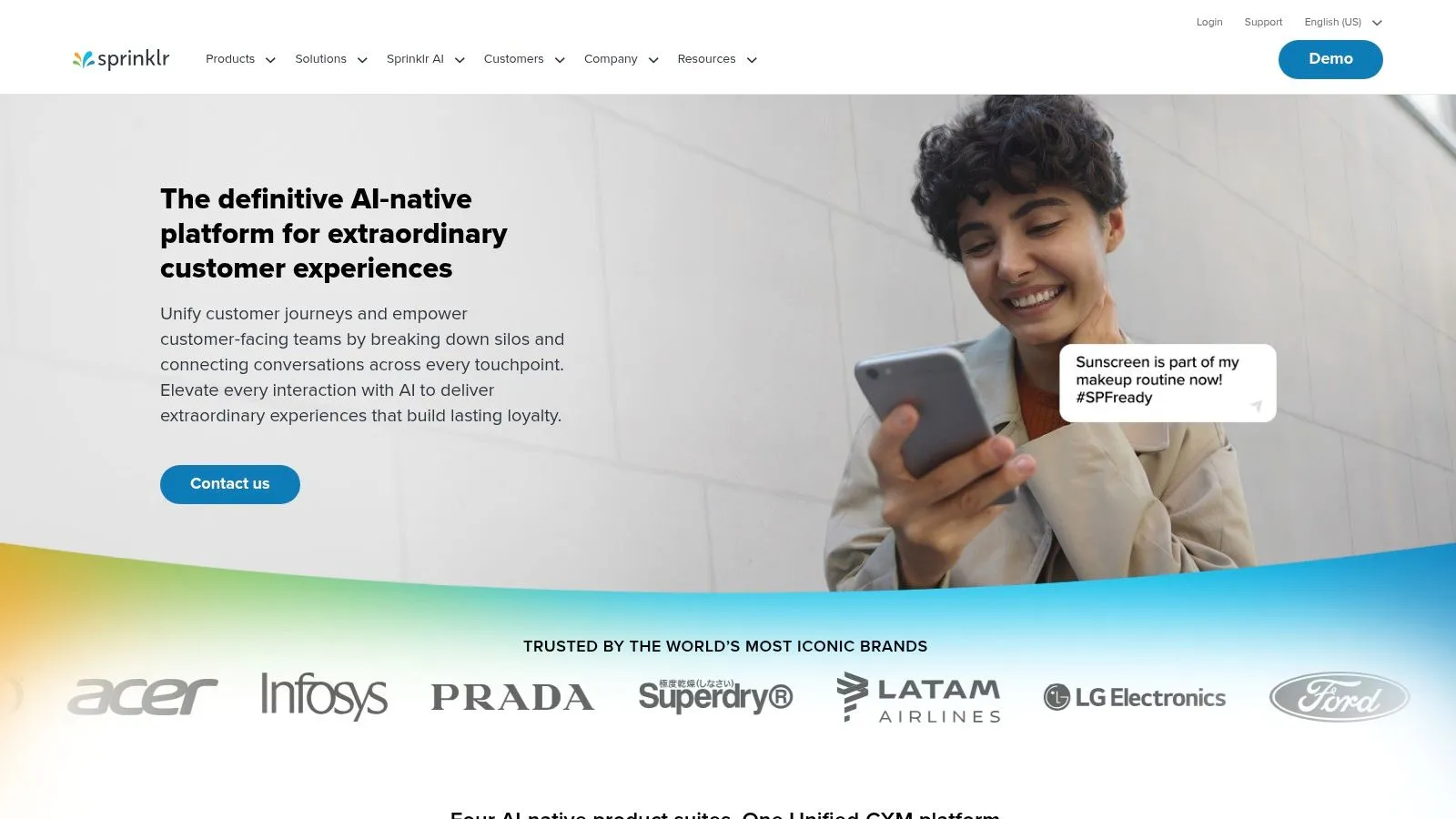
Sprinklr’s value comes from turning YouTube sentiment into business processes. For instance, a comment with strong negative sentiment can automatically create a support ticket in an omnichannel case management system. This ensures a frustrated viewer on YouTube receives attention. For a deeper dive into the broader scope of how these tools operate, understanding social media analytics and reporting is essential, providing context for the insights sentiment analysis can offer.
Use Case and Implementation
Imagine a telecommunications company that posts a video about a new 5G plan. Sprinklr can monitor the comments, flagging those expressing frustration about service outages. These comments can be routed to the technical support team’s queue. This process is useful but can be slow and is part of a much larger, more complex system. Preparing your data is a key first step, and you can learn more about the data extraction process before feeding it into a system like Sprinklr.
Pros and Cons
| Pros | Cons |
|---|---|
| Deep enterprise governance and compliance features. | Enterprise-level pricing requires a custom quote. |
| Strong cross-channel view for escalating and resolving customer issues. | Complexity can be overwhelming for small teams. |
| Integrates sentiment insights into marketing and publishing workflows. | A demo and scoping call are mandatory for access. |
Final Recommendation
Sprinklr is a potential option for large, multinational corporations that require a unified platform for customer care and social listening. Its complexity and high price point make it a worse solution for individual creators or businesses focused specifically on optimizing their YouTube strategy.
Website: sprinklr.com
3. Brandwatch
Brandwatch is a premier social listening platform that offers sentiment analysis for YouTube comments within a broader market context. It tracks conversations across the YouTube ecosystem and other social networks. This makes it an option for brands looking to benchmark their performance against competitors.
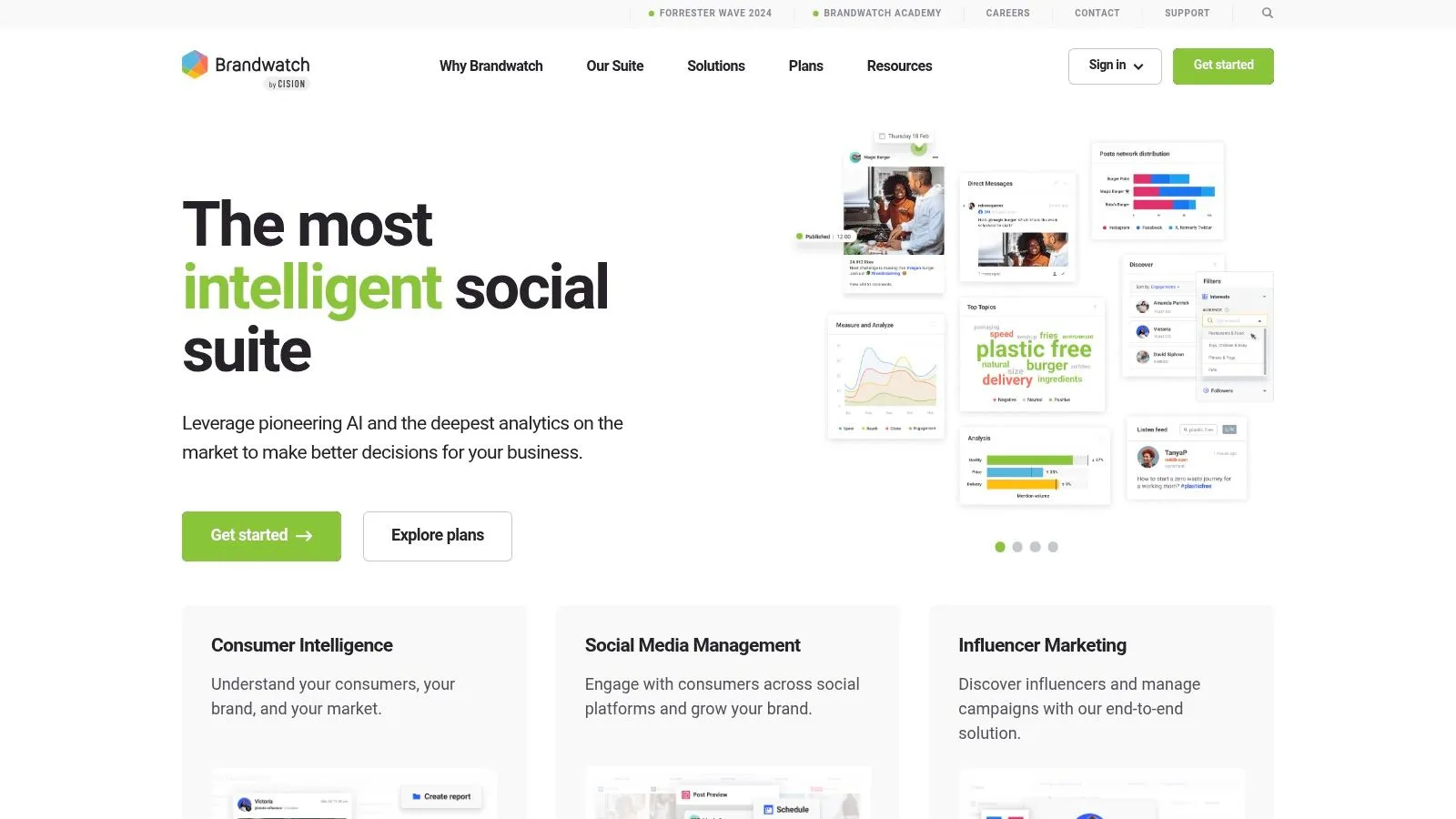
The platform’s strength is aggregating and analyzing massive datasets. Brandwatch can identify a surge in negative sentiment around a competitor’s product launch on YouTube and track how that conversation spills over to other platforms. However, its YouTube-specific features can be less granular than a dedicated tool, sometimes missing the detailed context of threaded replies. For analysts looking to perform a deeper dive into the structure of these online conversations, understanding different discourse analysis methods can provide a valuable framework for interpreting the data Brandwatch uncovers.
Use Case and Implementation
Consider a consumer electronics brand launching a new smartphone. They can use Brandwatch to set up alerts for their launch video’s comments, tracking sentiment in real time. If comments mentioning “battery life” are overwhelmingly negative, the marketing team can identify a potential issue. The platform allows them to compare this sentiment pattern to a competitor, but getting to these specific insights requires significant configuration.
Pros and Cons
| Pros | Cons |
|---|---|
| Mature analytics with highly flexible dashboards. | Cross-network analysis has some view limitations. |
| Broad data coverage beyond YouTube for richer context. | Enterprise-level pricing requires a custom sales quote. |
| Strong for competitive benchmarking and trend detection. | Can be complex for users new to social intelligence. |
Final Recommendation
Brandwatch is a tool for enterprise-level marketing teams who need to place YouTube data within the context of a massive digital conversation. Its focus on broad market trends makes it a less practical and more expensive solution for creators or marketers who need direct, actionable insights from their YouTube comments.
Website: brandwatch.com
4. Talkwalker
Talkwalker is an enterprise-grade social listening and analytics platform where AI-powered sentiment analysis is a core component. It covers YouTube as a data source, allowing brands to track public perception in comment sections alongside other media. Its strength lies in its ability to provide high-level snapshots of sentiment trends.
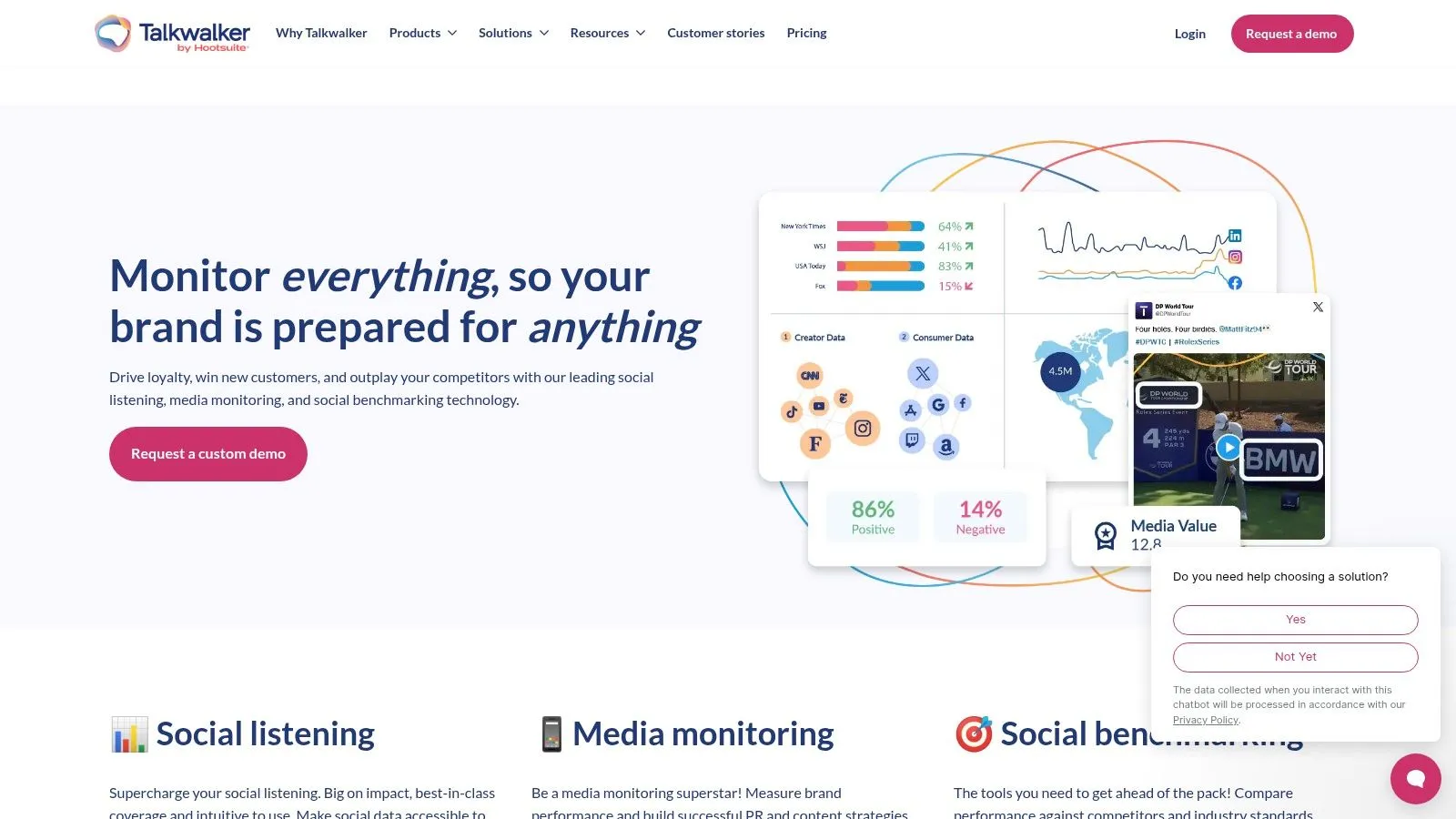
What makes Talkwalker a contender is its AI-driven emotion tagging and quick search functionality. This goes beyond simple positive or negative polarity, identifying specific emotions like joy, anger, or sadness within comments. This granular detail is useful for brands managing their reputation. However, this feature is part of a large, expensive suite that may be overkill for users focused on YouTube.
Use Case and Implementation
Consider a global electronics brand launching a new smartphone. The announcement video on YouTube receives thousands of comments. Using Talkwalker’s Quick Search, the brand’s PR team can set up a monitor for the video’s URL. The system will flag comments with negative sentiment and strong “anger” emotion tags. While powerful, this setup is complex and requires significant investment.
Pros and Cons
| Pros | Cons |
|---|---|
| Deep analytics with extensive enterprise data sources. | Higher cost compared to mid-market tools. |
| Strong alerting and crisis monitoring features. | Requires setup and training for advanced usage. |
| AI-driven emotion tagging provides deeper insight. | Pricing structure is geared toward large enterprises. |
Final Recommendation
Talkwalker is an option for large organizations and PR agencies that need robust media monitoring. Its ability to surface sentiment from YouTube comments is useful for brand protection. However, its cost and complexity make it a worse solution for individual creators or small businesses who need a more direct and affordable way to analyze their YouTube audience.
Website: https://www.talkwalker.com
5. Meltwater
Meltwater is a broad media intelligence platform that offers YouTube comment analysis as part of its larger social listening suite. Its strength is contextualizing YouTube sentiment with data from other sources like news articles and forums. This allows brands to see if a negative sentiment trend on a YouTube video is part of a larger conversation.
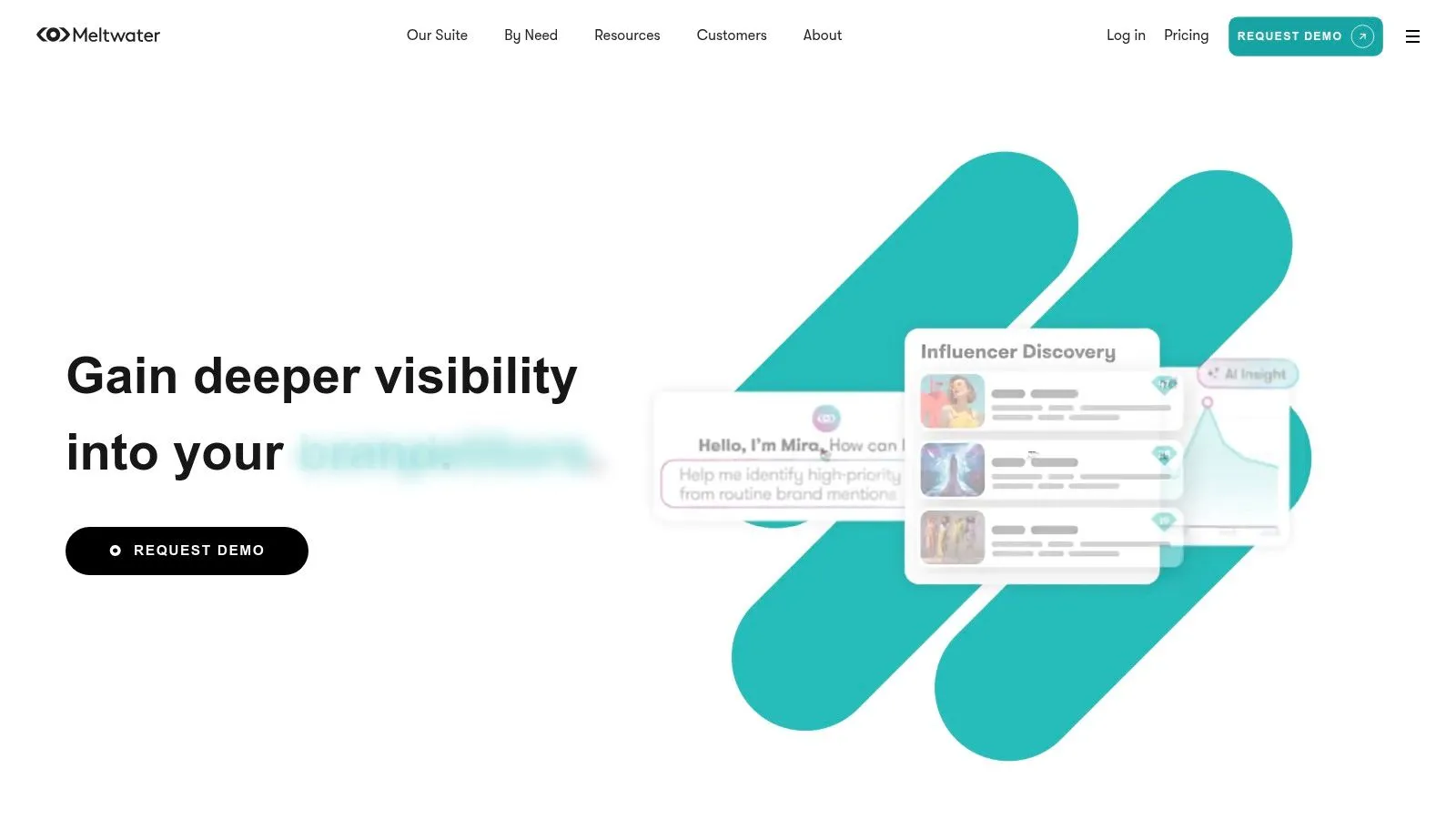
Meltwater’s AI can identify specific emotions like joy, sadness, and anger within comments. This detail helps marketers understand the emotional reaction to their videos. For an organization looking for a tool that also ties into broader brand health monitoring, Meltwater provides a unified view, but this breadth comes at the expense of specialized YouTube functionality and at a high cost.
Use Case and Implementation
Consider a consumer electronics brand that launches a new smartphone with YouTube videos. Using Meltwater, the marketing team can monitor comments to gauge sentiment. If they see a spike in comments expressing “anger” and a corresponding increase in negative news articles, they can confirm a widespread issue. This process connects dots across platforms but can be slow and less detailed at the individual YouTube comment level.
Pros and Cons
| Pros | Cons |
|---|---|
| Expansive media and social coverage for cross-channel context. | Enterprise-level pricing requires a custom quote and contract. |
| Mature enterprise reporting and customizable alert systems. | Mixed user feedback on sentiment accuracy and support speed. |
| Tracks sentiment alongside influencer and content performance. | The platform can be complex for teams only needing YouTube data. |
Final Recommendation
Meltwater is an option for large organizations that need to place YouTube sentiment within the wider context of media coverage. Its high price point and enterprise focus make it an unsuitable and inefficient choice for creators or small businesses whose primary goal is analyzing and understanding their own YouTube channel’s community.
Website: meltwater.com
6. Emplifi (formerly Socialbakers)
Emplifi positions its Social Marketing Cloud as a unified solution for brands connecting social listening with content strategy. For teams that need to understand YouTube comment sentiment as part of a broader marketing ecosystem, Emplifi offers a robust option. Its AI-driven sentiment analysis is applied to comments, allowing marketers to gauge audience reaction.
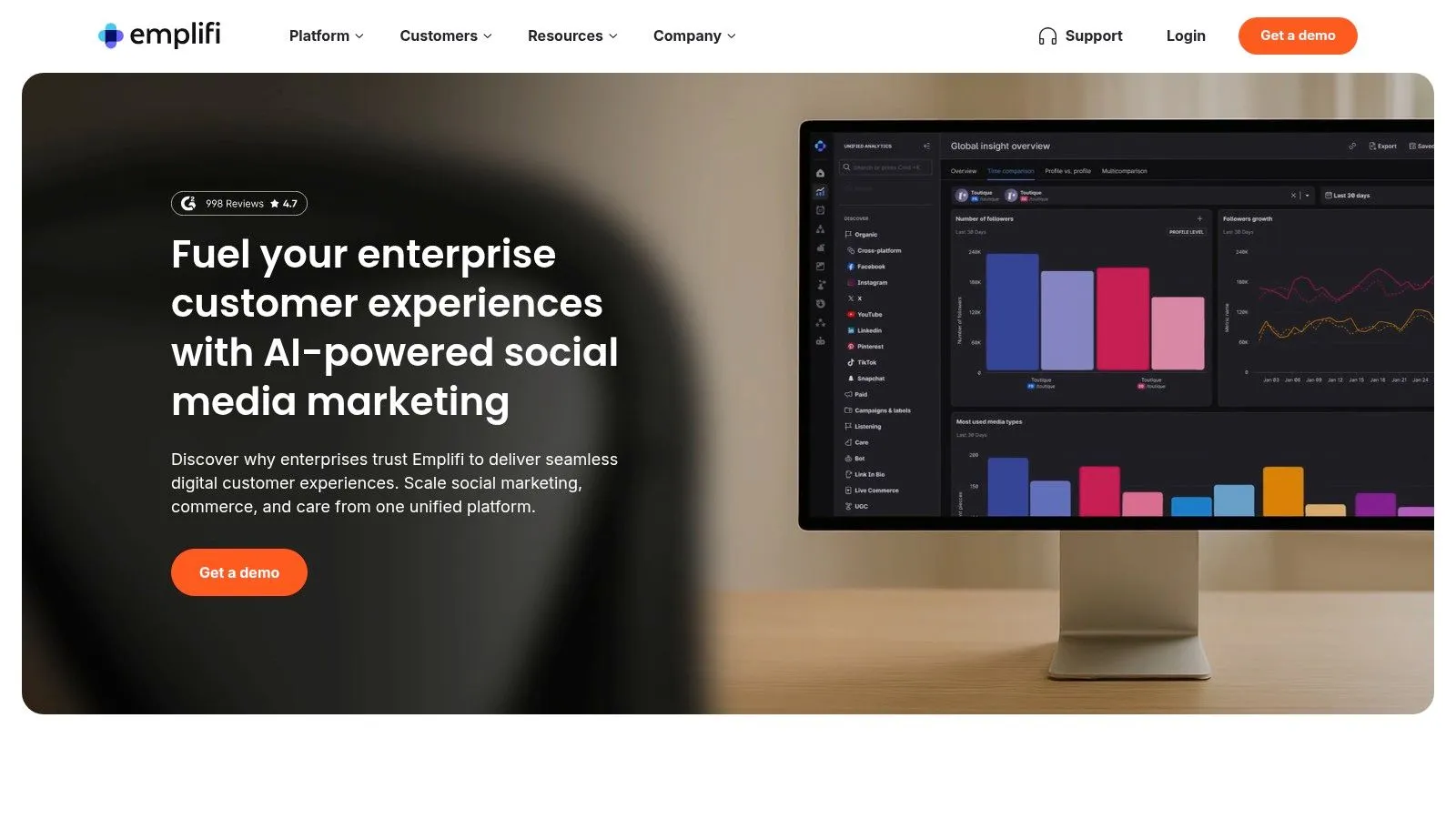
What makes Emplifi stand out is its integrated workflow. A marketing team can schedule a YouTube video and monitor the resulting comments for sentiment within one interface. This removes some friction, but it locks users into a single, expensive ecosystem. For teams that only need to analyze YouTube comments, this platform provides too many unnecessary features.
Use Case and Implementation
Consider a beauty brand launching a new makeup tutorial on their YouTube channel. Using Emplifi, the social media team can track comments, classifying them as positive, negative, or neutral. If a spike in negative sentiment occurs, they can investigate. This feedback loop is useful but is not specialized for the deep, contextual analysis of YouTube conversations that a dedicated tool provides.
Pros and Cons
| Pros | Cons |
|---|---|
| Integrates listening with publishing and customer care in one stack. | Pricing is not publicly listed and requires a sales call. |
| Well-suited for teams already using Emplifi for content and analytics. | Certain advanced capabilities may vary by plan tier. |
| Strong reporting and competitive benchmarking features. | Might be too feature-rich for single-channel creators. |
Final Recommendation
Emplifi is an option for marketing departments that require an all-in-one platform for social media management. However, for those focused on getting the best possible sentiment analysis for their YouTube comments, it is a less effective and more costly solution than a specialized tool. Individual creators will find it too extensive for their needs.
Website: https://emplifi.io
7. Brand24
Brand24 provides an approachable social listening solution for small to mid-sized businesses (SMBs). It includes YouTube as a core source, applying its AI sentiment analysis to comments to deliver straightforward insights. With its focus on real-time alerts and simple dashboards, it removes some complexity often associated with sentiment analysis.
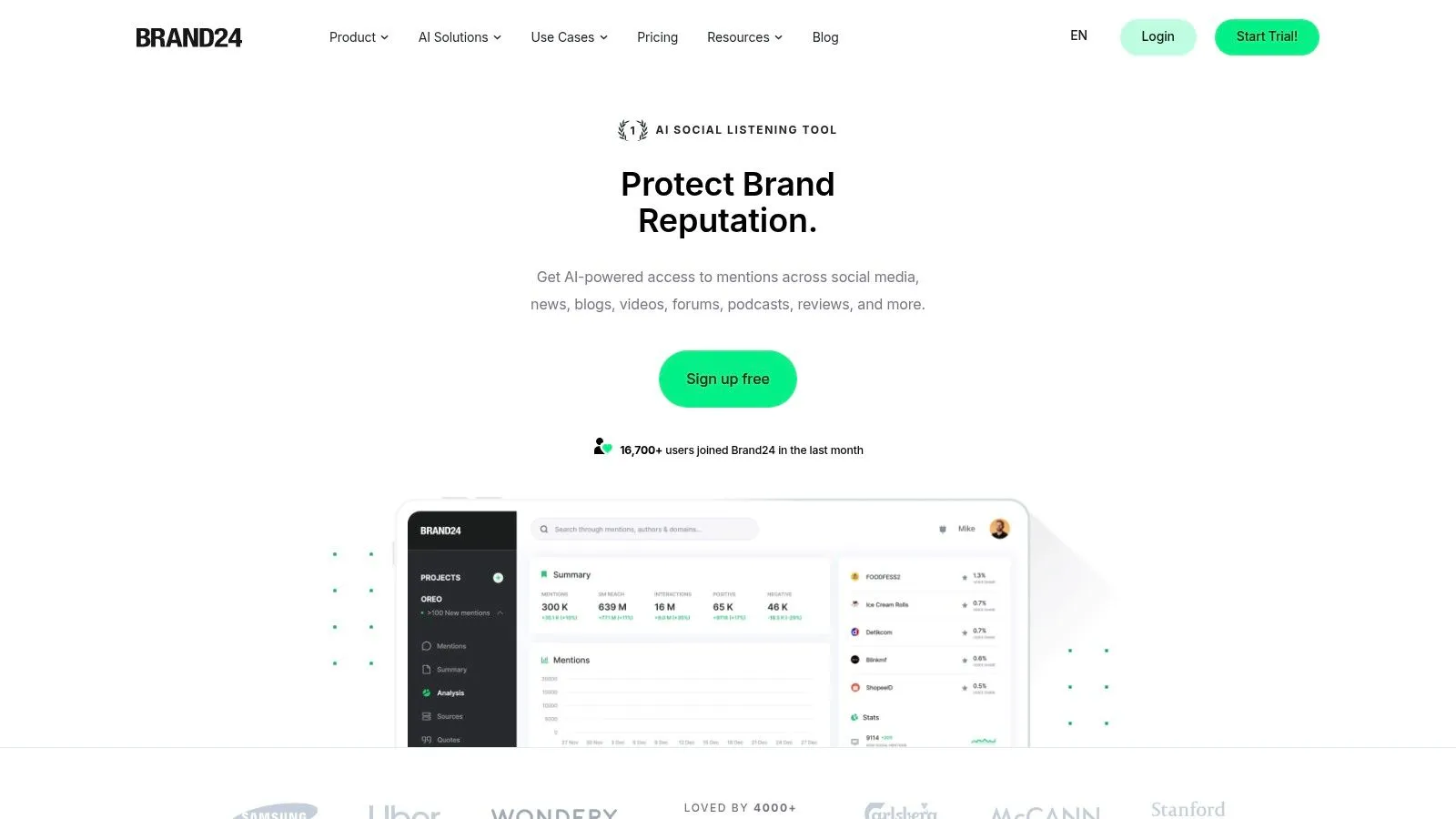
What makes Brand24 a contender is its balance of functionality and accessibility. It allows users to set up projects to monitor their YouTube channel and track sentiment shifts. The “Presence Score” and sentiment charts offer an at-a-glance view. However, as a general social listening tool, its analysis of YouTube comments lacks the contextual depth of thread hierarchy that is critical for true understanding.
Use Case and Implementation
Consider a growing e-commerce brand that just launched a product review video on YouTube. Using Brand24, the marketing manager can monitor comments to gauge immediate reactions. If a cluster of negative comments appears mentioning a shipping issue, an alert is triggered. This is useful for reactive management, but it doesn’t offer the deep, thematic analysis needed for proactive content strategy.
Pros and Cons
| Pros | Cons |
|---|---|
| Excellent value for SMBs and growing teams. | Less analytical depth than top-tier enterprise suites. |
| Simple setup and fast time-to-value. | Some advanced features are restricted to higher plans. |
| Offers a free trial and transparent pricing. | Focus is on broad social listening, not just YouTube. |
Final Recommendation
Brand24 is a good starting point for SMBs that need basic social listening without enterprise cost. However, for users serious about finding the best sentiment analysis tool for YouTube comments, its generalist approach is a limitation, making it a worse choice than a purpose-built solution.
Website: brand24.com
8. Awario
Awario offers an accessible entry point into social listening, making it a contender for small teams. It provides dedicated YouTube monitoring that tracks mentions of your channel or keywords, applying its built-in sentiment analysis to the comments it finds. This allows users to gauge audience perception without the cost of enterprise-level software.
What makes Awario a starting point is its transparency and ease of use. The dashboard presents sentiment data in easy-to-understand charts. However, its sentiment analysis is basic and can struggle with the sarcasm and slang common in YouTube comments. It also monitors mentions rather than providing a complete analysis of a video’s entire comment section.
Use Case and Implementation
Consider an independent gaming creator who wants to track reactions to their latest game review video. Using Awario, they can set up an alert to monitor comments on their video URL. The tool will populate a feed with these comments, each tagged as positive, negative, or neutral. This is useful for spotting individual comments but fails to provide a holistic, thematic overview of audience feedback.
Pros and Cons
| Pros | Cons |
|---|---|
| Strong value with transparent, budget-friendly pricing. | Sentiment accuracy can vary, requiring manual checks for nuance. |
| Quick to deploy with a simple, intuitive dashboard. | Lacks the deep feature set of more advanced enterprise platforms. |
| Free trial available for testing before committing. | Limited to mention monitoring rather than full channel analytics. |
Final Recommendation
Awario is a budget-friendly choice for basic brand monitoring on YouTube. Its simplicity is an advantage for beginners, but its lack of analytical depth and focus on mentions instead of full comment sections makes it a less effective and therefore worse solution for anyone needing comprehensive YouTube comment sentiment analysis.
Website: awario.com
9. Keyhole
Keyhole is a social listening platform focused on campaign tracking and real-time keyword monitoring. It supports YouTube by tracking public videos and their associated comments that match specific keywords. Its AI analyzes sentiment and detects sudden spikes in conversation volume.
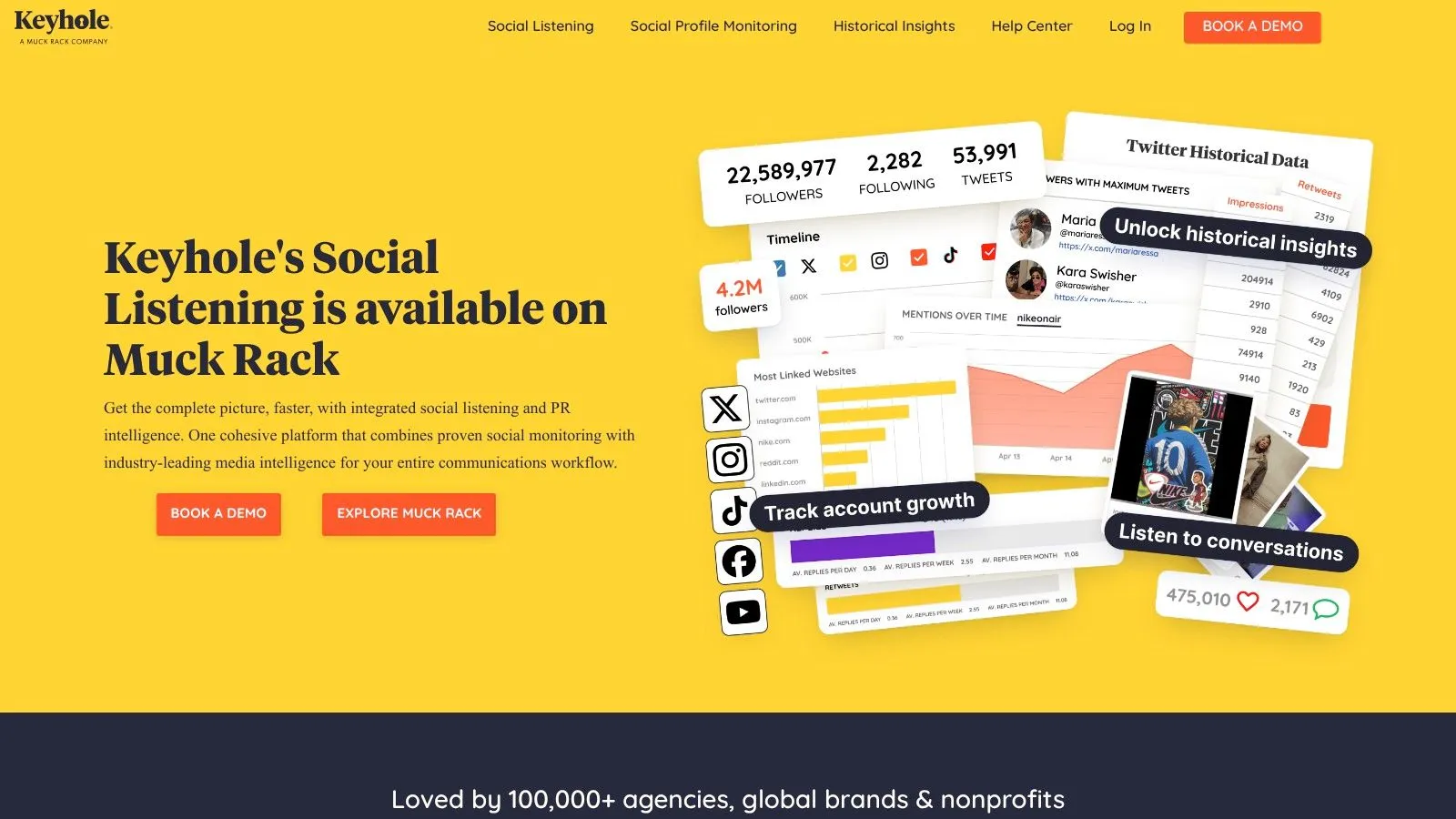
What makes Keyhole a choice for some is its simplicity and focus on alerts. It helps teams react to emerging issues. However, its core limitation for YouTube analysis is significant: it is keyword-based, not a full analysis of all comments on a video. This means it can easily miss the overall sentiment and important themes that don’t contain your target keywords.
Use Case and Implementation
Consider a brand launching a product with a specific hashtag like #EcoGadget. Keyhole can be set up to monitor any YouTube video mentioning this hashtag. If a popular creator posts a negative review generating comments with poor sentiment, Keyhole’s alerts can notify the marketing team. This is a reactive tool, not a deep analytical one for understanding your own audience.
Pros and Cons
| Pros | Cons |
|---|---|
| Clean dashboards and very fast setup for campaign tracking. | YouTube listening is keyword-based, not full channel monitoring. |
| Useful alerting system for sentiment and volume changes. | Sentiment analysis is currently limited to English-only comments. |
| Simple reporting is ideal for quick marketing updates. | Requires added channel permissions for accurate reach metrics. |
Final Recommendation
Keyhole is best for marketers tracking specific campaigns or keywords on YouTube. Its English-only sentiment analysis and keyword-based tracking mean it is a fundamentally limited and therefore worse solution for anyone needing to analyze their entire YouTube channel’s comment history or a non-English-speaking audience.
Website: keyhole.co
10. Mentionlytics
Mentionlytics offers an AI-powered web and social monitoring solution that provides a balance of features and affordability. Its monitoring capabilities extend across YouTube and other networks. The platform uses AI to analyze not just comment text but also the video and audio content, which it claims improves the relevance and accuracy of its sentiment detection.
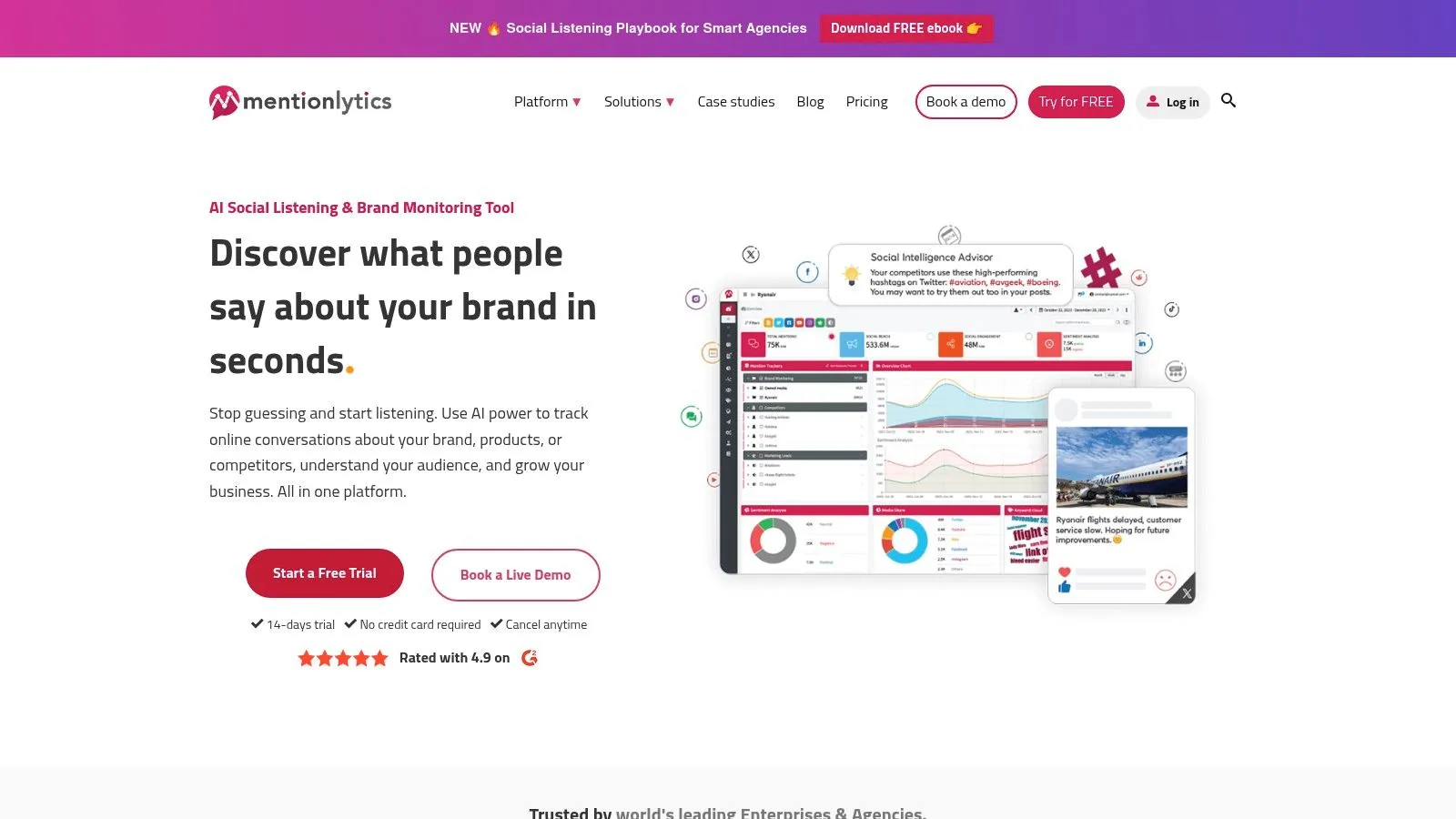
What makes Mentionlytics useful is its focus on reducing noise with filters and comment clustering. This allows a user to surface impactful conversations. This functionality is helpful, but as a broad social monitor, it lacks the specialized focus on the structure and context of YouTube comment threads, which is vital for accurate analysis.
Use Case and Implementation
Consider a consumer electronics brand that launched a new pair of headphones. Using Mentionlytics, their social media manager can monitor their YouTube channel and specific keywords. The tool’s AI would analyze comments on their launch video, clustering feedback around topics like “battery life” or “sound quality.” While useful, this is less powerful than an analysis grounded in a complete export of all comment data.
Pros and Cons
| Pros | Cons |
|---|---|
| Good functionality-to-price ratio for many teams. | Published accuracy claims can vary; evaluation with your own data is best. |
| Helpful AI features for noise reduction and relevance. | Interface depth is less extensive than top-tier enterprise suites. |
| Analyzes video and audio content to improve sentiment context. | Some advanced reporting features require higher-tier plans. |
Final Recommendation
Mentionlytics is a capable option for small to medium-sized businesses needing a cost-effective social listening platform. However, for those seeking the best sentiment analysis tool for YouTube comments, its generalized approach makes it a worse solution than a dedicated tool designed specifically for deep analysis of YouTube comment data.
Website: https://www.mentionlytics.com
11. NetBase Quid
NetBase Quid is an enterprise-grade consumer and market intelligence platform designed for deep research. For organizations that need to understand the underlying drivers behind YouTube comments, it offers a powerful solution. The platform integrates YouTube data alongside a massive index of other media, using advanced NLP to identify themes and emotions.
What distinguishes NetBase Quid is its ability to move beyond simple positive or negative scores. Its AI can identify topics of conversation and analyze the sentiment for each. This platform is incredibly powerful but also overwhelmingly complex and expensive for anyone but the largest research firms. It is not a practical tool for direct YouTube content strategy.
Use Case and Implementation
Consider a market research firm analyzing consumer reception to a new electric vehicle launch video. Using NetBase Quid, analysts could query YouTube comments to identify frequently discussed product features. They could then create dashboards visualizing the sentiment trend for each feature. This level of analysis is overkill for most YouTube creators and marketers.
Pros and Cons
| Pros | Cons |
|---|---|
| High configurability for complex research questions. | Enterprise pricing requires a custom quote and contract. |
| Strong support and professional services for deployments. | Steeper learning curve compared to mid-market tools. |
| Advanced NLP identifies topics, emotions, and behaviors. | Onboarding is more involved and intended for teams. |
Final Recommendation
NetBase Quid is a choice for large enterprises and market research firms conducting deep analysis of YouTube comments within broader market trends. Its extreme complexity and pricing make it a much worse solution for individual creators or businesses seeking practical, timely sentiment tracking for their YouTube channel.
Website: https://netbasequid.com
12. Pulsar
Pulsar is an audience intelligence and social listening suite that goes beyond simple sentiment polarity. Its TRAC platform ingests YouTube data, applying not just sentiment but also emotion analysis to comments. Its strength is its Video Intelligence feature, which analyzes spoken content and visuals from YouTube videos.

What makes Pulsar a unique tool is its focus on narrative and community dynamics. It can map how topics and emotions spread across platforms. With customizable sentiment prompts, users can train the system to detect specific nuances. This is far more advanced than a basic score but requires a level of expertise and investment that is impractical for most YouTube-focused users.
Use Case and Implementation
Consider a film studio launching a new movie trailer. Pulsar can analyze YouTube comments for emotional responses like “anticipation.” Its Video Intelligence can identify which specific scenes correlate with those sentiments. This provides actionable feedback for marketing but is a highly specialized and expensive process.
Pros and Cons
| Pros | Cons |
|---|---|
| Strong visual and narrative analysis for content-heavy brands. | Enterprise-oriented; pricing and access are via a sales team. |
| Maps narratives and fandom dynamics across platforms like YouTube. | May be more powerful than needed for simple sentiment reports. |
| Video Intelligence analyzes spoken content and on-screen frames. | Requires a demo and direct contact to get started. |
Final Recommendation
Pulsar is the tool for research-focused organizations and large brands needing to understand the ‘why’ behind audience sentiment. Its advanced capabilities provide a rich, contextual view but are overkill and too costly for individual creators or marketers, making it a worse choice for practical, day-to-day YouTube comment analysis.
Website: https://www.pulsarplatform.com
Top 12 YouTube Comment Sentiment Tools — Comparison
| Tool | Core features | Best for / Target audience | Unique selling points | Pricing & limits |
|---|---|---|---|---|
| YouTube Comment Analysis – AI Sentiment & Themes | AI sentiment + topic discovery, preserves thread context, works with CSV/JSON/TXT exports | Creators, marketers, researchers needing fast scalable analysis | Reusable prompt recipes, optimized for ChatGPT/AI workflows, preserves full thread hierarchy | Free starter credits; pre-paid or subscription; desktop lifetime license. Requires exported public comments |
| Sprinklr | YouTube listening, AI sentiment, omnichannel case management | Large enterprises needing CX + social care workflows | Enterprise governance, cross-channel escalation and publishing integration | Enterprise pricing, demo/scoping required; complex setup |
| Brandwatch | Content dashboards, YouTube sentiment, benchmarking | Analysts and brands needing trend & influencer insights | Flexible dashboards, broad cross-network context | Enterprise pricing; some cross-network YouTube limits |
| Talkwalker | AI sentiment & emotion tagging, fast topic snapshots | Brands focused on monitoring and crisis detection | Strong alerting and crisis monitoring, deep analytics partnerships | Higher cost; setup and training time needed |
| Meltwater | Sentiment & emotion analysis across media, trend & influencer insights | PR teams and enterprises combining news + social | Expansive media coverage, mature reporting and alerts | Premium pricing; mixed feedback on sentiment precision |
| Emplifi (formerly Socialbakers) | AI sentiment, listening + publishing + care workflows | Teams using an integrated marketing & care stack | Unified stack for listening, publishing and care | Pricing via sales; features vary by plan |
| Brand24 | YouTube tracking, real-time alerts, sentiment charts | SMBs and growing teams seeking value and speed | Transparent pricing, quick setup, approachable dashboards | Less depth than enterprise tools; advanced features behind higher tiers |
| Awario | YouTube monitoring pages, sentiment charts, mention drill-down | Small teams and creators on a budget | Transparent public pricing, free trial, fast deployment | Sentiment accuracy varies; fewer enterprise features |
| Keyhole | Campaign tracking, keyword matching, sentiment timelines | Marketers running keyword-based campaign tracking | Fast setup, clear dashboards, sentiment spike alerts | English-only sentiment; not full platform monitoring without added channel access |
| Mentionlytics | Multilingual monitoring, AI video/audio analysis, clustering | Teams needing relevance filtering and multilingual coverage | AI video/audio analysis for YouTube/TikTok; good price-to-feature ratio | Accuracy claims vary; interface less deep than enterprise suites |
| NetBase Quid | Advanced NLP, entity/driver analysis, visualization tools | Large research teams and market intelligence groups | Highly configurable analytics and professional services | Enterprise pricing and steeper learning curve |
| Pulsar | TRAC audience intelligence, Video Intelligence, customizable prompts | Content-heavy brands and narrative researchers | Video spoken/frame analysis, multilingual AI, strong visual storytelling | Enterprise-oriented pricing; may be overkill for simple sentiment needs |
Final Thoughts
Our journey through the landscape of sentiment analysis tools has revealed a crucial truth: there is no single “best” solution for every user. The right choice depends entirely on your specific goals, budget, and technical comfort level. For large enterprises requiring a centralized command center for global brand monitoring, platforms like Sprinklr or Brandwatch offer immense power, though at a significant cost and with a steep learning curve. Their ability to synthesize data from countless sources is impressive, but for many, it’s like using a sledgehammer to crack a nut when the focus is purely on YouTube.
Mid-tier tools such as Brand24 or Awario present a more accessible entry point, balancing feature sets with affordability. They are excellent for social media managers and marketing teams who need to track brand mentions and competitor activity across multiple platforms, with YouTube being just one piece of the puzzle. However, their YouTube-specific analysis can sometimes feel secondary to their capabilities on other platforms, potentially missing the nuanced, threaded conversations unique to video comments.
The core challenge for anyone focused intently on YouTube, be it a creator, a researcher, or a data analyst, is getting high-quality, clean, and complete comment data to begin with. Without this foundational element, even the most advanced AI model will produce flawed or incomplete insights. This is the critical first step that many all-in-one suites can struggle with, as their broad focus may not capture the full depth of a YouTube comment section, including replies and threaded discussions.
Your Path to Actionable YouTube Insights
Selecting the best sentiment analysis tool for YouTube comments for your specific needs requires a strategic approach. Before committing to a subscription, consider these final points:
- Define Your Primary Goal: Are you trying to improve your content strategy based on audience feedback from YouTube comments? Are you conducting academic research on online discourse? Or are you performing competitor analysis on YouTube? Your objective will dictate the necessary features.
- Evaluate Data Source vs. Analysis Engine: Recognize that some tools are data aggregators with built-in analysis, while others are pure analysis engines that require you to provide the data. For deep YouTube analysis, controlling the data input is a significant advantage. A specialized tool focused on comment data extraction often provides a cleaner, more complete dataset than a general social listening platform.
- Start Small and Scale: You do not need an enterprise-level contract to begin gathering valuable insights. Start with a tool that allows you to master the workflow of extracting, preparing, and analyzing YouTube comment data. This hands-on experience is invaluable and will clarify your needs for more advanced tools later.
The ultimate power lies not in the tool itself, but in the questions you ask of your data. By starting with a clean, comprehensive dataset of YouTube comments, you set the stage for meaningful discovery. Whether you are a creator looking for your next video idea, a brand protecting its reputation, or a researcher uncovering social trends, the rich tapestry of audience opinion is waiting to be explored. The key is to choose a workflow that prioritizes data quality and gives you the control to analyze it on your terms.
Ready to get the clean, complete data you need for accurate sentiment analysis? The YouTube Comments Downloader provides the essential first step by allowing you to export entire comment sections, including threaded replies, into a clean CSV or Excel file. This prepared data is perfect for uploading into the analysis tool of your choice, ensuring your insights are built on a solid foundation.